Tenancy Contract Renewal Dubai: 2026 RERA Rules & Step-by-Step Guide
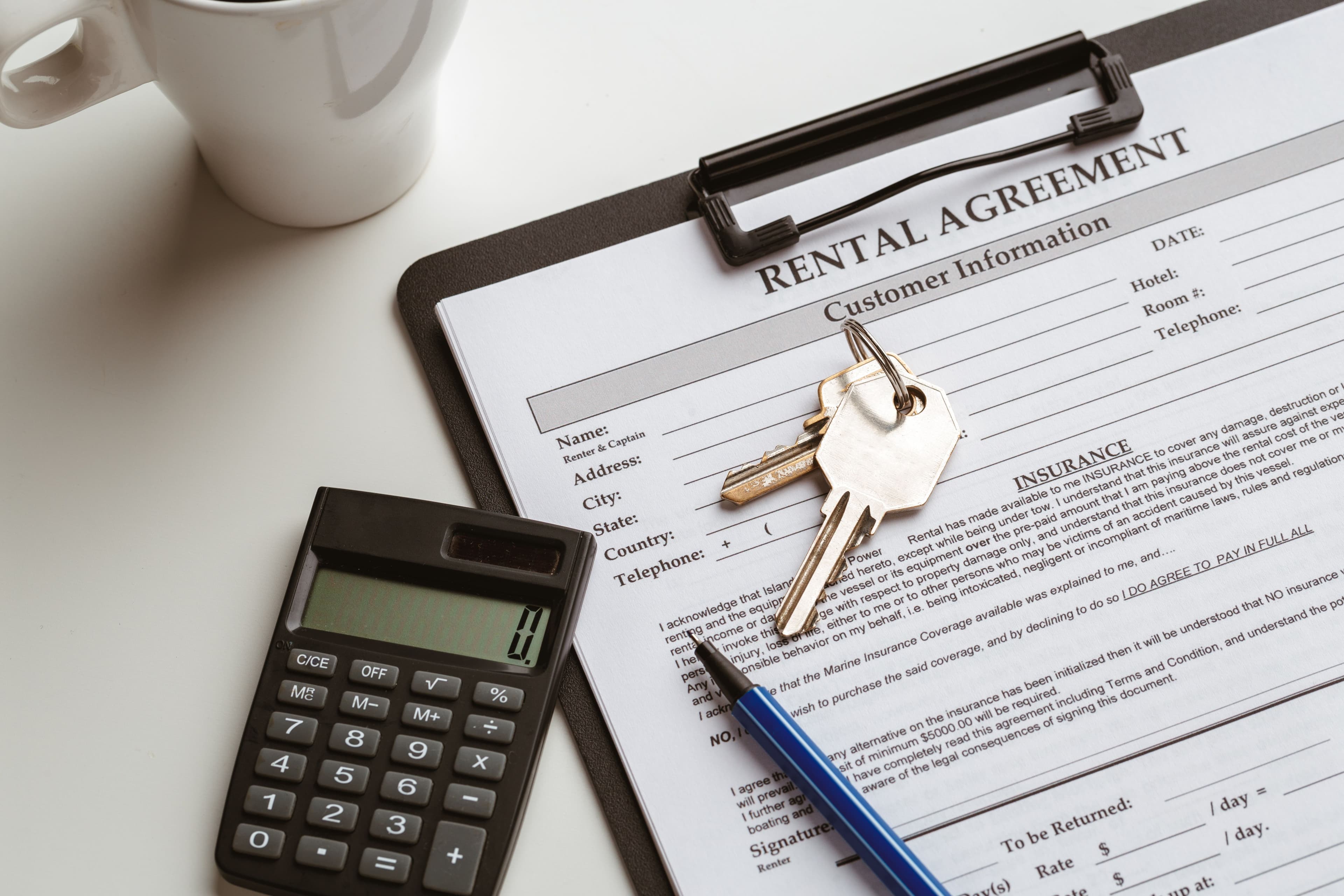
Quick answer: To renew a tenancy contract in Dubai, landlord and tenant agree the new terms (any change to the rent or terms must be notified at least 90 days before the contract expires), sign the renewed contract, and register it on Ejari through the Dubai REST app, the Ejari system, a Real Estate Services Trustee Centre or the managing property management company. Dubai Land Department's fees total AED 177.75 via the app or website and AED 220 at a Trustee Centre, and any rent increase is capped by the RERA rent index under Decree No. 43 of 2013.
Renewing your tenancy contract in Dubai shouldn't have to be a tedious task, especially when you're familiar with the rules. This process is designed to protect landlords and tenants, with complete transparency and fairness.
Being regulated by the Dubai Land Department (DLD) and the Real Estate Regulatory Agency (RERA), the tenancy contract follows specific laws that outline the timeline, fees, and legal rights of both parties.
Whether you're a tenant or a landlord, planning to stay in your current home or to keep your current tenant, this is your guide. If you are signing a lease for the first time rather than renewing one, start with our guide to signing a tenancy contract in Dubai.
Understanding How Tenancy Renewals Work
Tenancy renewals in Dubai are governed by Law No. 26 of 2007 and its amending Law No. 33 of 2008, together with DLD and RERA guidelines. Three rules shape every renewal:
- 90 days' notice for changes. If either party wants to amend any term of the contract or review the rent, they must notify the other party at least 90 days before the contract expires (Article 14).
- Automatic renewal. If the contract expires and the tenant stays in the property without objection from the landlord, the contract is treated as renewed for the same term or for one year, whichever is shorter, on the same terms (Article 6).
- Registration. Tenancy contracts must be registered, which in practice means Ejari. Judicial authorities will not consider a dispute over a lease contract that has not been registered (Article 4), so the renewed contract should always be registered.
Step-by-Step Guide to Renewing a Tenancy Contract in Dubai
Here is the renewal process in order.
1. Confirm Renewal Plans 90 Days Before Expiry
If you want to change anything, including the rent, give written notice at least 90 days before the lease ends. Keep proof of when and how the notice was sent. If neither side asks for changes, the contract can simply continue on the same terms.
2. Agree on Terms and Check the Rent
Before proposing an increase, the landlord should check the official RERA Rental Index calculator to see how much, if anything, is legally allowed. The tenant should run the same check before agreeing to new terms. The limits are explained in the rent increase section below.
3. Sign the Renewed Contract
Once both parties agree, the landlord and tenant sign the renewed tenancy contract. DLD uses the Unified Tenancy Contract as its standard lease form.
4. Register the Renewal on Ejari
DLD's "Register / Renew Tenancy Contract" service can be completed through:
- The Dubai REST app or the Ejari system: log in, select the service, fill in the details, upload the documents and pay. The e-Contract Registration Certificate is sent by email once the request is approved.
- A Real Estate Services Trustee Centre: submit the documents, pay the fees and collect the certificate. DLD states the service time is about 25 minutes, excluding waiting time.
- The property management company, if the property is managed by one.
Documents DLD asks for
- Via the app: a copy of the Unified Tenancy Contract.
- At a Trustee Centre: the original Unified Tenancy Contract, the Emirates ID of the applicant, and an official power of attorney if the applicant is a representative.
Ejari renewal fees (as published by DLD)
| Channel | Total fee |
|---|---|
| Dubai REST app / DLD website | AED 177.75 (AED 100 registration + AED 20 knowledge and innovation fees + AED 55 service partner fee + VAT) |
| Real Estate Services Trustee Centre | AED 220 (AED 100 registration + AED 20 knowledge and innovation fees + AED 95 service partner fee + VAT) |
A few eligibility rules apply. The app route is for individual tenants and landlords whose owner data is up to date. The Trustee Centre route applies when the property is not managed by a real estate company or by an owner with Ejari system access. The applicant must be the tenant, the landlord must be the owner, or either can act through a legal representative holding an official power of attorney.
5. Update Payment Details
- Hand over the new rental cheques or set up the agreed payment method.
- Keep all receipts, the signed contract and the new Ejari certificate together.
Notice Period and Renewal Rules
- Notices to change the rent or other terms must be given at least 90 days before expiry.
- Always keep proof of the notice and the date it was sent.
- If no valid notice of changes is given, the contract continues on its existing terms.
Rent Increase Limits Under RERA
Rent increases on renewal are capped by Decree No. 43 of 2013. The allowed increase depends on how far the current rent is below the average rent for similar units in the RERA Rental Index:
| Current rent compared with the index average | Maximum increase |
|---|---|
| Up to 10% below average | No increase |
| 11% to 20% below average | 5% |
| 21% to 30% below average | 10% |
| 31% to 40% below average | 15% |
| More than 40% below average | 20% |
The average rental value is determined by the Rent Index of the Emirate of Dubai. Since January 2025, DLD has used the Smart Rental Index, which also takes the building's classification into account (its quality, location, services and facilities) when calculating the permitted increase. Always check the official RERA Rental Index calculator for your specific unit. Our guide to the RERA rent calculator explains how to use it and read the result.
When the Tenancy Contract Is Not Renewed
Sometimes one side does not want to renew.
When the contract expires, Law No. 33 of 2008 allows a landlord to seek eviction if:
- the owner wants to sell the property;
- the owner wants to use the property personally, or for a first-degree relative; or
- the owner wants to demolish and rebuild the property, or add new structures to it.
In these cases, the landlord must notify the tenant of the reason at least 12 months before the eviction date, and the notice must be served through a Notary Public or by registered mail.
Tenants can also choose not to renew. Tell your landlord in writing, within the notice period stated in your contract, and keep proof of delivery to avoid disputes. Disagreements that the parties cannot resolve go to Dubai's Rental Dispute Settlement Centre.
Tips for a Smooth Renewal
- Put every agreed change in writing and keep copies of all notices.
- Diary the 90-day notice deadline. Once it passes, you cannot insist on changing the terms for the renewal.
- Use RERA's official rental index calculator before discussing any rent change.
- Register the renewal on Ejari promptly. An unregistered contract cannot be relied on in a dispute. Our guide on why Ejari matters explains why.
- If you are unsure about your position, ask a licensed real estate brokerage or property manager for help.
Final Thoughts
Renewing a tenancy contract in Dubai is simple when both parties know the timelines: give notice of changes at least 90 days before expiry, check the rent index, sign, and register on Ejari. Having a property management company by your side helps too. It tracks the deadlines, registers your contract on Ejari and handles the communication, so renewals do not turn into disputes. If you are looking for a new home instead, see our step-by-step guide to renting a property in Dubai.