
Understanding Off-Plan Property in Dubai
Understand how off-plan property works in Dubai, from choosing a project and reviewing the payment plan to registration, construction and handover.
What Is an Off-Plan Property?
An off-plan property is a property purchased before construction is fully completed. Buyers select a unit within a registered development, sign the relevant purchase documents and make payments according to the project's agreed payment plan while construction progresses.
In Dubai, off-plan projects operate within a regulated framework that includes project registration with the Dubai Land Department and a dedicated project escrow account for buyer payments. The exact purchase terms, payment schedule and handover conditions vary by project and developer.
Why Buyers Consider Off-Plan Property in Dubai
Off-plan suits some buyers and not others. These are the reasons it is most often considered - each depends on the specific project and its terms.
Phased payment plans
Many off-plan projects allow buyers to spread payments across construction milestones rather than paying the full purchase price at once.
Access to new developments
Buying during a project's launch or construction period can provide access to new communities, new buildings and a broader choice of available units.
Early unit selection
Earlier stages of a launch may provide a wider selection of layouts, floors and views, depending on availability.
Developer offers
Some developers offer project-specific incentives or payment structures. These should always be evaluated alongside the property's overall price, contract terms and your own objectives.
How Buying Off-Plan Property in Dubai Works
A typical off-plan purchase follows these stages. The exact sequence, documents and timelines depend on the developer and the project.
- 01
Define your budget and goal
Start with your budget, preferred location, property type and whether the purchase is intended for personal use, rental income or a longer-term investment.
- 02
Compare projects and developers
Review available developments, developer track records, location, expected handover, payment structure and the property's overall suitability.
- 03
Select a unit
Compare layouts, floors, views, sizes, prices and availability before selecting a specific unit.
- 04
Reservation and documentation
Once a unit is selected, the developer's reservation and identification requirements are completed according to the project's process.
- 05
Sale and Purchase Agreement
Review the Sale and Purchase Agreement (SPA) carefully, including the payment schedule, handover terms and contractual obligations.
- 06
Registration and construction payments
The developer registers the sale in the Dubai Land Department's interim register through the Oqood system, while scheduled payments continue according to the agreed payment plan.
- 07
Handover
As completion approaches, review the developer's handover requirements, final payments, property inspection and the documents needed. Final registration and the title deed follow the applicable DLD process once the project is completed and the buyer's obligations are met.

Understanding Project Registration and Escrow
Dubai's off-plan market operates within a regulatory framework overseen by the Dubai Land Department (DLD) and its Real Estate Regulatory Agency (RERA).
Developers register off-plan projects with DLD, and registration includes opening a project escrow account. Under Dubai Law No. 8 of 2007, amounts paid by purchasers of off-plan units are deposited into the project's escrow account and dedicated to the construction of that project, and DLD links releases from the account to verified construction progress.
Escrow is an important safeguard, but it does not guarantee that a project will be completed on time or without problems. Buyers should still review the specific development, the developer, the contract terms and the project status before committing.
How Off-Plan Payment Plans Work
Payment structures vary considerably between developments. Some projects divide payments across construction milestones, while others include payments closer to handover or after completion.
The headline payment plan should not be evaluated in isolation. Consider the full purchase price, payment dates, contractual obligations and your ability to meet future instalments.
The structures below are common examples, not a standard - each project sets its own plan, and not every developer offers each type.
Construction-linked
Instalments are tied to construction milestones or set dates while the project is being built.
Handover-weighted
A larger share of the price falls due around completion and handover.
Post-handover
Part of the price is paid in instalments after the property has been handed over.
What Should You Check Before Buying Off-Plan?
- 01
Developer
Track record and completed developments.
- 02
Project registration
Confirm the project is registered with DLD and review its published status and construction progress.
- 03
Location
Infrastructure, accessibility and the surrounding master plan.
- 04
Payment plan
Every instalment, its amount and its due date.
- 05
Sale and Purchase Agreement
Your obligations, completion provisions and other material contract terms.
- 06
Expected handover
The current estimated completion timeline and what the contract says about it.
- 07
Unit details
Layout, size, floor, view and specification.
- 08
Exit and resale conditions
Developer and contractual requirements that apply if you may want to sell before completion.
Project terms vary. Buyers should review the applicable contractual documents and obtain professional advice where appropriate.
Off-Plan or Ready Property?
Off-Plan
- Property still under development
- Payments may be phased across construction
- Access to newly launched projects
- Completion and occupancy come later
- Construction and handover timing are a consideration
Ready Property
- Existing, completed property
- Can be inspected before you buy
- Earlier occupancy or rental is possible
- A larger upfront payment or financing may be needed, depending on the transaction
- The building and community can be evaluated directly
Neither option is automatically better. The right choice depends on budget, timeline, intended use and investment objectives.
Explore areas with off-plan projects
Communities with the most off-plan projects currently listed on Seven Century.
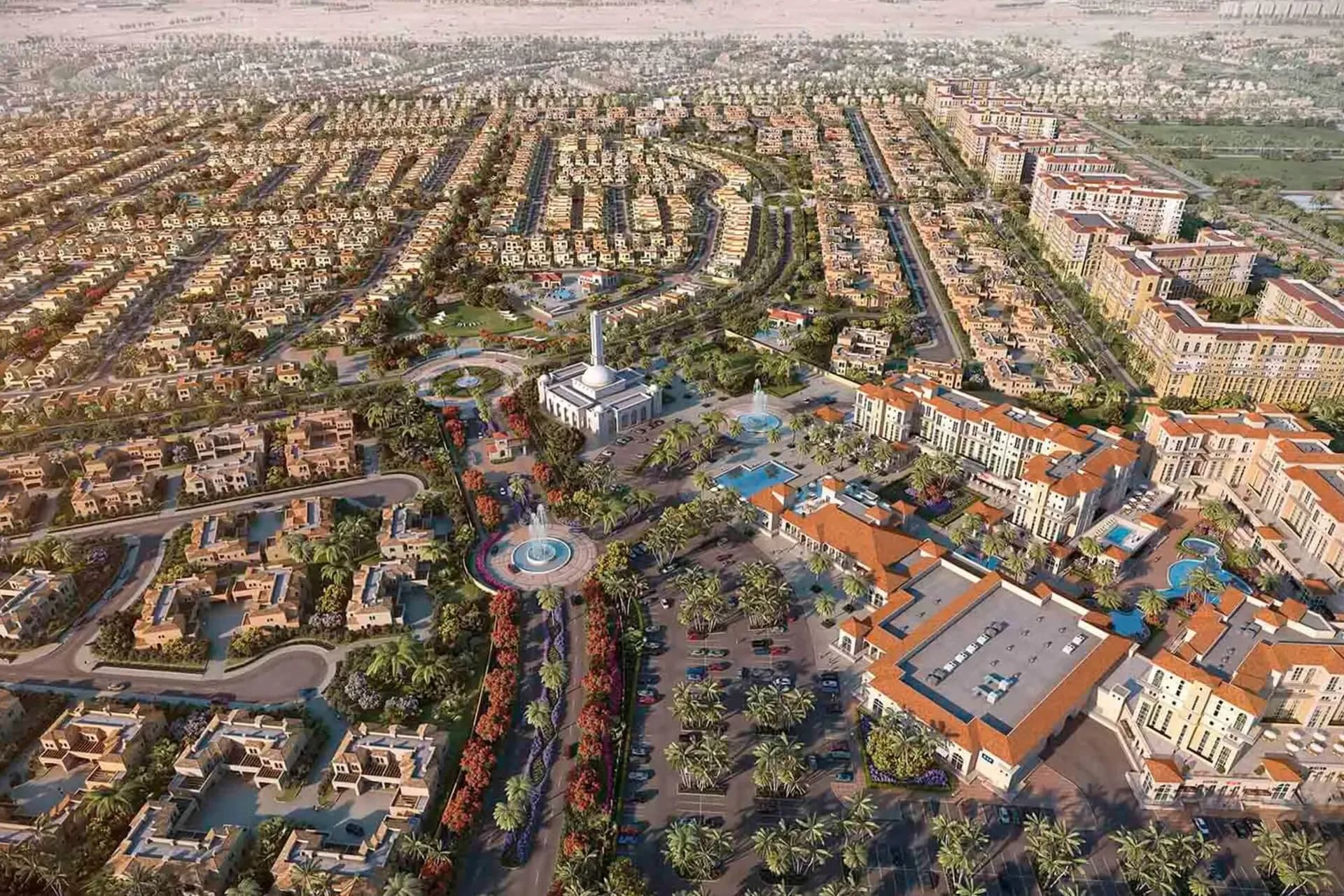
Dubailand
Dubailand is an expansive, one-of-a-kind community featuring…
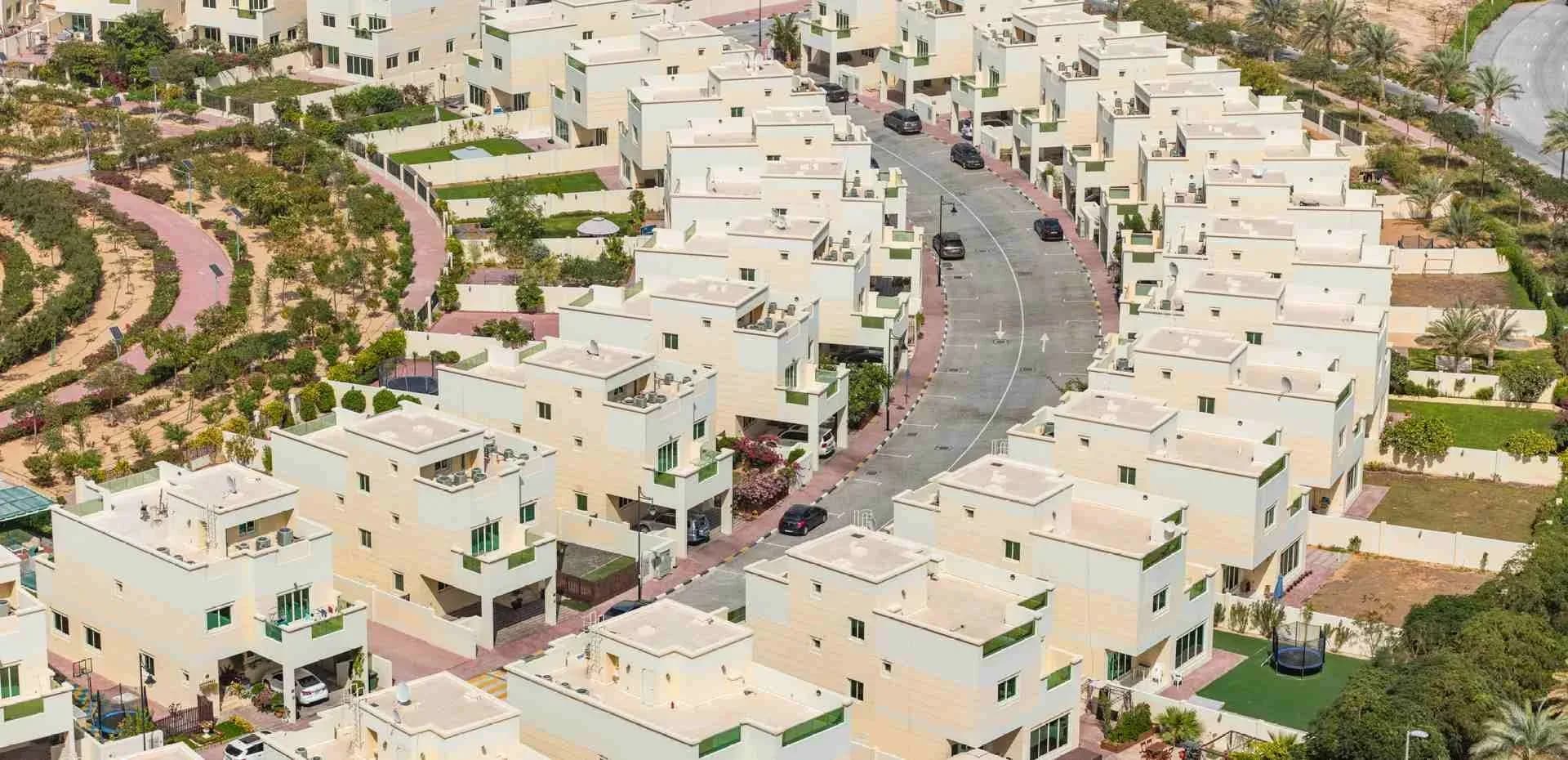
Jumeirah Village Circle
Jumeirah Village Circle (JVC) is one of the most exciting, f…
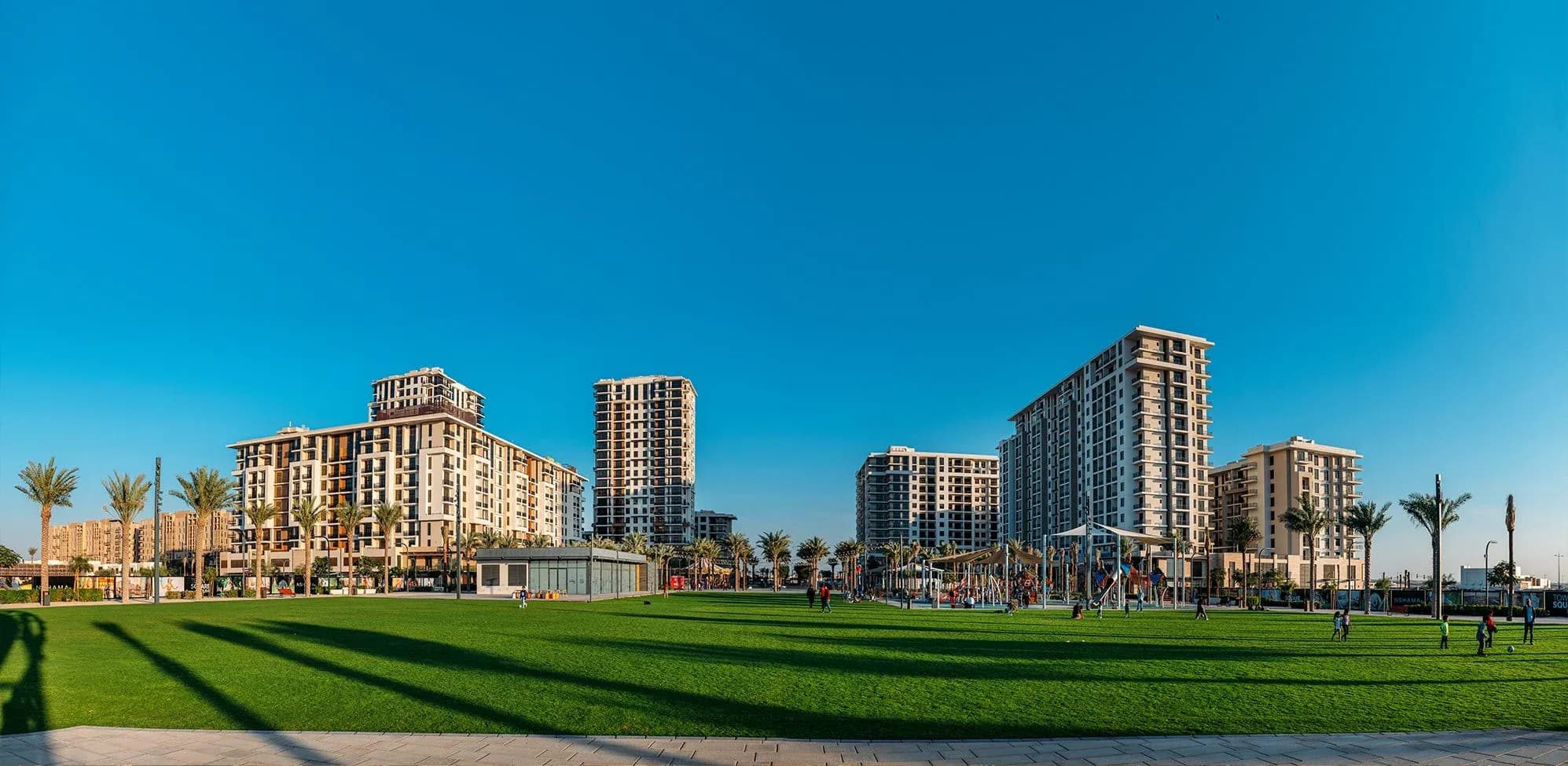
Town Square
The Town Square Dubai is an ideal community for those lookin…
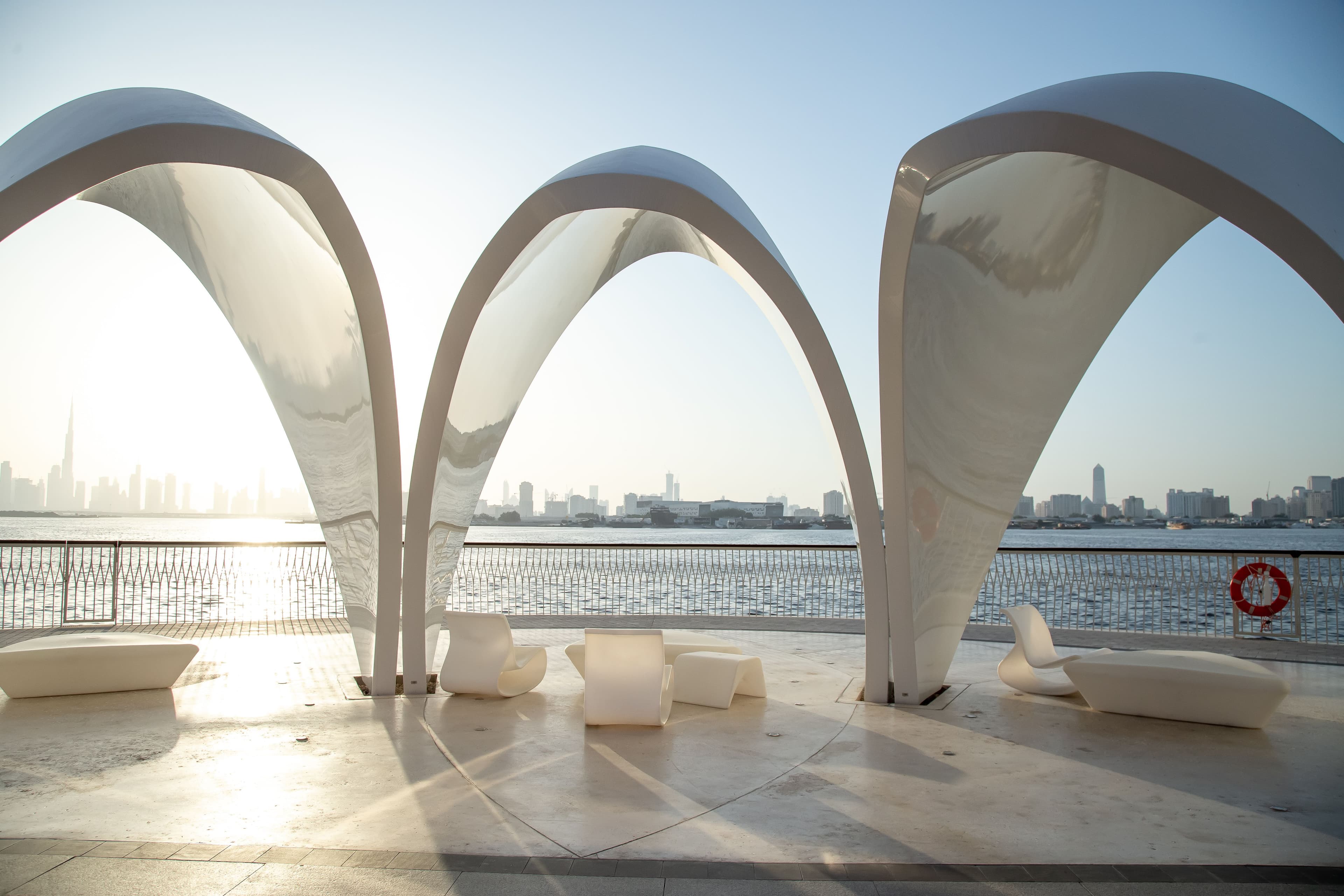
Dubai Creek Harbour
About the Neighbourhood Dubai Creek Harbour by Emaar is a me…

Business Bay
About the Neighbourhood Business Bay Dubai has become the c…

Dubai Maritime City
Dubai Maritime City is a waterfront district on a man-made p…
Explore Dubai developers
Developers with the most off-plan projects currently listed on Seven Century.








Important Considerations Before Buying Off-Plan
Understanding both the opportunities and the obligations helps buyers make better-informed decisions.
Construction timeline
Completion dates can change. Review project progress and the contractual provisions relating to expected completion.
Market conditions
Property values and rental conditions can change during the construction period.
Payment obligations
Buyers remain responsible for meeting contractual payment milestones, so future instalments should be considered before committing.
Resale conditions
Reselling before completion may be subject to developer requirements, payment thresholds or other project-specific conditions.

How Seven Century Helps You Compare Off-Plan Projects
We help buyers narrow a large Dubai project market into options that match their requirements.
Project discovery
Compare developments based on location, budget, property type and expected handover.
Project information
Understand available project details, developer information and payment structures.
Unit selection
Review available layouts and unit options where current inventory information is available.
Purchase support
Stay supported through the enquiry and purchase process while dealing with the developer and the required documentation.
Learn more about buying off-plan

Off-Plan Property Buying Guide in Dubai
Buying off-plan property in Dubai offers flexible payment plans and lower entry prices. To secure your investment safely, choose a trusted d...
Read more
Off-Plan Payment Plans in Dubai: How They Work
Off-plan payment plans let buyers pay for a Dubai property in stages, with funds protected in a DLD escrow account under Law No. 8 of 2007 - but the exact structure and percentages are set by each developer, not a single citywide rule.
Read moreDubai Off-Plan vs Ready Properties: Which Is Better in 2026?
Dubai's real estate market continues to captivate investors and end-users from across the globe. Whether you are a seasoned investor or a fa...
Read more
7 Important Benefits You Must Know When Buying Off-Plan Property in Dubai
Investing in Dubai off-plan properties offers multiple advantages, and if you are wondering what, we have a list for you. It provides an att...
Read more
Most Common Myth on Off Plan Developments Dubai for 2025 Debunked
The Off plan developments in Dubai have been reshaping the real estate landscape of the region. With new and upcoming iconic projects, futur...
Read moreOff-Plan Property FAQs
An off-plan property is a unit bought before construction is complete. The buyer purchases based on the project's plans, specifications and sale agreement, and pays according to the project's payment plan while the development is built.
Buyers typically choose a registered project and unit, complete the developer's reservation, sign the Sale and Purchase Agreement and pay instalments under the agreed payment plan. The developer registers the sale with the Dubai Land Department, and the unit is handed over once the project is completed and the buyer's obligations are met.
Yes. Under Dubai Law No. 8 of 2007, payments from purchasers of off-plan units are deposited into the project's escrow account and dedicated to the construction of that project, with releases linked to verified construction progress. Escrow is a safeguard, but it does not guarantee that a project will finish on schedule.
Oqood is the Dubai Land Department system used to register off-plan sales in the interim (provisional) real estate register. The developer registers the initial sale there after the Sale and Purchase Agreement is signed. Final registration and a title deed follow the applicable DLD process after the project is completed.
Payment plans spread the purchase price across instalments, commonly linked to construction milestones, handover or, in some projects, a period after handover. Structures vary by developer and project, so always review the specific plan and the sale agreement.
Foreign nationals can own property in Dubai's designated freehold areas, where most off-plan projects are located, and UAE residency is not required to buy. Documentation and eligibility requirements can vary by developer and transaction, so confirm them for the specific project.
The Dubai Land Department allows an off-plan unit to be assigned to another buyer before final registration, after obtaining a No Objection Certificate (NOC) from the developer. Developers may set their own conditions, such as a minimum percentage paid, so check the Sale and Purchase Agreement and the developer's requirements.
Completion dates can change, and the Sale and Purchase Agreement sets out the expected completion date and the provisions that apply to delays. RERA monitors stalled projects and can give developers time to correct them; if a project is cancelled, DLD procedures govern how funds held in the project's escrow account are returned to buyers. Review the delay provisions before signing and take legal advice if needed.
Check the developer's track record, the project's DLD registration and status, the location and surrounding master plan, every payment milestone, the Sale and Purchase Agreement, the expected handover date, the unit details and any conditions for reselling before completion.
Neither is automatically better. Off-plan can offer phased payments and access to new projects but involves waiting for completion; ready property can be inspected and occupied or rented sooner but usually requires more of the price upfront. The right choice depends on budget, timeline and goals.
Ready to explore off-plan projects?
Browse current Dubai developments or speak with our team about projects that match your budget, preferred location and property requirements.
Ready to find your perfect property?
Our experts are here to help you every step of the way.