Is Dubai Real Estate Slowing Down or Just Stabilizing in 2026?
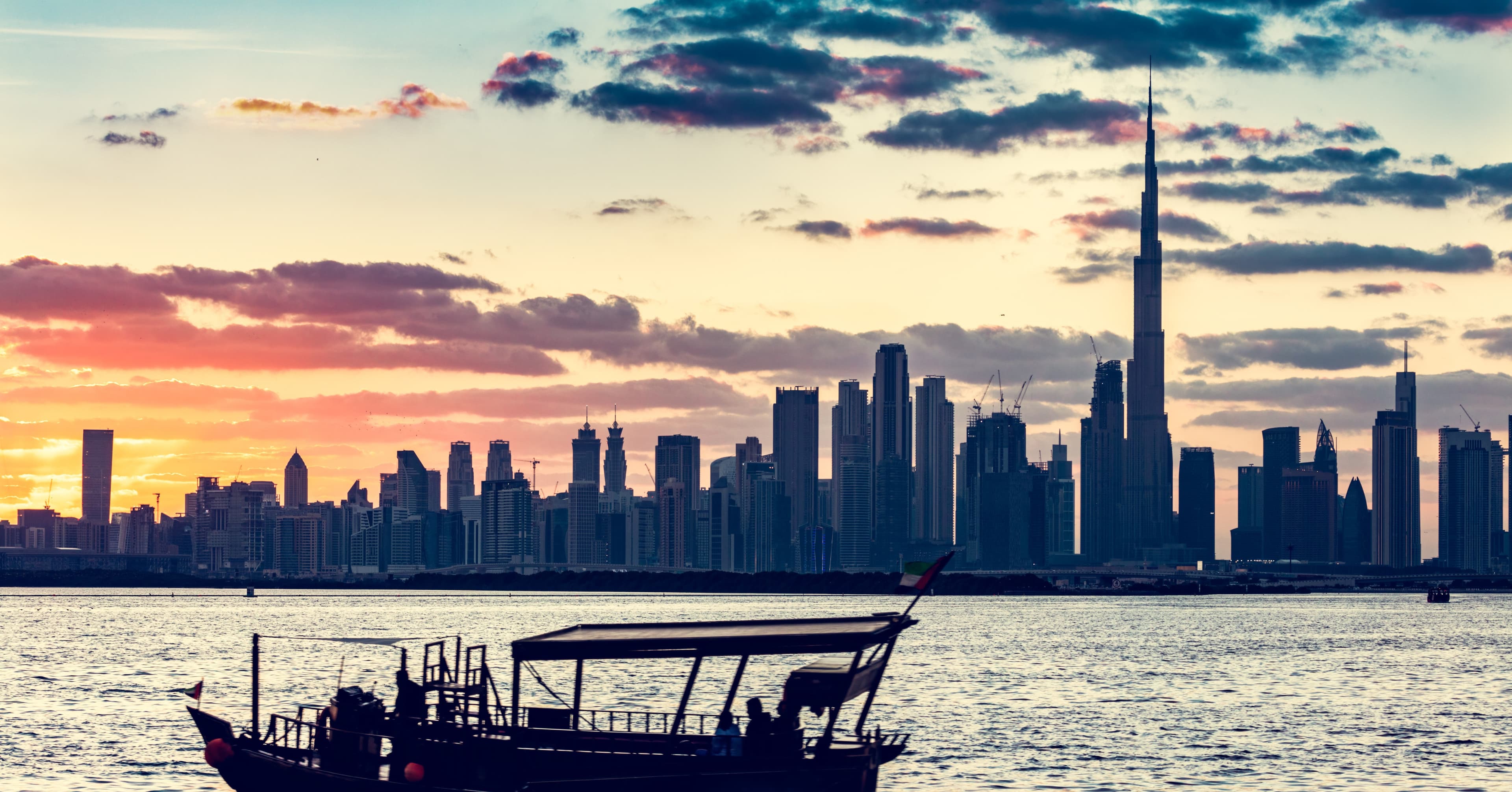
After years of record-breaking growth, the Dubai real estate market in 2026 is at a turning point. Transaction volumes are moderating, a wave of new supplies is entering the market, and geopolitical turbulence briefly shook investor confidence. But a closer look at the data reveals something different from a slowdown - it looks a lot more like stabilisation.
Dubai recorded AED 917 billion in property transactions in 2025 - the highest in its history. Prices rose 13% year-on-year by November 2025, sitting at an average AED 1,676 per square foot. The question for 2026 is not whether the boom is over, but what comes next.
What the Numbers Say for 2026
Price growth is forecast to moderate to 5-8% in 2026, down from 12-22% in 2024-2025, according to Cushman & Wakefield Core. That is still positive, and still ahead of most global property markets.
Transaction volumes held strong through February 2026 at around 17,000 deals, before dipping to approximately 11,800 in March as regional tensions escalated. When land transactions are stripped out, however, residential deal values in March were still 1% higher year-on-year - a sign that the underlying market remained intact.
Rental yields across Dubai continue to range from 5-9%, making it one of the highest-yielding prime real estate markets in the world. For income-focused investors, this is where the real story lies. Read more about Dubai ROI compared to other global markets.
The Supply Surge: More Choice, More Competition
The most significant structural shift in the Dubai property market outlook for 2026 is the volume of new supply. Fitch Ratings estimates around 120,000 units are scheduled for handover this year. Moody's puts the broader UAE figure at over 150,000 new homes between 2025 and 2027 - roughly a 20% increase in housing stock.
This supply is not evenly distributed. Mid-market apartments in areas with heavy off-plan pipelines face the greatest price pressure, with potential corrections of up to 7% in specific segments according to S&P Global. Villas and luxury properties, by contrast, remain undersupplied relative to demand.
For buyers, this means more negotiating power than at any point in the last four years - particularly in the AED 1-3 million range. If you are considering an off-plan purchase, our guide on the benefits of buying off-plan property in Dubai covers what to look for and how to protect your investment.
Geopolitics: A Shock, Not a Shift
Early 2026 brought an unexpected stress test. Escalating tensions across the West Asia region caused the DFM Real Estate Index to fall 20% in a matter of days, and Goldman Sachs reported a 51% month-on-month drop in UAE transaction values in early March - larger than the pause seen after the 2024 Dubai floods.
Yet physical property prices adjusted by only 4-5%, cushioned by the fact that 86% of Dubai real estate transactions are cash-based. There was no wave of forced selling, no collapse in fundamentals. The ceasefire announcement in mid-April 2026 triggered a 75% surge in property viewing activity within days, with analysts estimating that over 60% of on-hold deals could close within the following quarter if stability holds.
This pattern is consistent with Dubai's history. The market absorbed the 2008 financial crisis, the 2020 pandemic, and the 2022 Russia-Ukraine conflict - each time recovering to new highs. The UAE's track record of navigating regional crises and maintaining stability remains one of its most compelling investment attributes.
Who Is Still Buying - and Why
Demand in Dubai is broad-based and structurally supported. Indian investors account for 20-22% of all foreign purchases. Chinese investment has grown 130% since 2021. Russian buyers represent 6% of all UAE investors. The rise of millionaires and high-net-worth individuals relocating to Dubai continues to drive demand at the upper end of the market.
Dubai's population hit 3.9 million in 2024 - a 6% jump in a single year - and the city is forecast to add 225,000 new residents in 2026 alone. The Golden Visa programme, zero income tax, and world-class infrastructure continue to attract end-users, not just speculators. Understanding why high-net-worth individuals are choosing to buy property in Dubai helps explain why demand is unlikely to soften in the luxury segment.
Where to Focus in 2026
Not all communities will perform the same way. The Dubai real estate market in 2026 is increasingly a story of divergence - between locations, property types, and buyer profiles.
- Luxury and waterfront: Palm Jumeirah, Emirates Hills, and Jumeirah Bay Island remain supply-constrained and in high demand from global HNW buyers.
- Mid-market opportunities: Communities like JVC, JVT, and Business Bay offer strong rental yields and growing end-user bases. See our JLT vs JVT vs JVC investment comparison for 2026.
- Affordable communities: For families and long-term residents, several areas offer excellent value. Our guide to top affordable communities in Dubai for families covers the best options at accessible price points.
- Avoid: Heavily oversupplied mid-market segments where investor-owned units dominate and new completions are concentrated in 2026-2027.
Before committing to any purchase, it is worth reviewing the most common mistakes buyers make when purchasing property in Dubai - especially relevant in a market that is shifting from momentum-driven to fundamentals-driven.
Conclusion
The Dubai real estate market in 2026 is not slowing down - it is settling into a more sustainable rhythm. Price growth is positive, rental yields are strong, and the demand base is structural rather than speculative. For investors who are selective and patient, this is one of the best times to enter the market in years.
Frequently Asked Questions
1. Will Dubai property prices fall in 2026?
A broad price crash is unlikely. Most analysts forecast modest growth of 5-8% for 2026. Some mid-market apartment segments with heavy new supply may see corrections of up to 7%, but luxury villas and prime waterfront properties are expected to remain resilient due to limited supply and continued high-net-worth demand.
2. Is now a good time to invest in Dubai real estate?
Yes, particularly for long-term investors. The combination of moderating prices, high rental yields of 5-9%, below-market listings created by recent geopolitical uncertainty, and strong structural demand makes 2026 a more attractive entry point than the peak years of 2023-2024. Focusing on established communities with genuine end-user demand is key.
3. How has the West Asia conflict affected Dubai property?
The conflict in early 2026 caused a temporary pause in transactions, with deal volumes dropping around 51% in early March. However, physical property prices corrected by only 4-5%, supported by Dubai's high proportion of cash buyers. Following the ceasefire announcement in mid-April 2026, viewing activity surged 75% and market momentum began to recover quickly.