Dubai Real Estate Investment: The Complete Guide
How Property Investment in Dubai Actually Works - Ownership, Costs, Returns and Due Diligence
Investing in Dubai property involves more than choosing a popular project or community. Buyers need to understand ownership rules, purchase costs, payment options, service charges, potential returns and the risks attached to each property. This guide explains the key decisions in a clear, practical way so you can compare opportunities before committing your money.
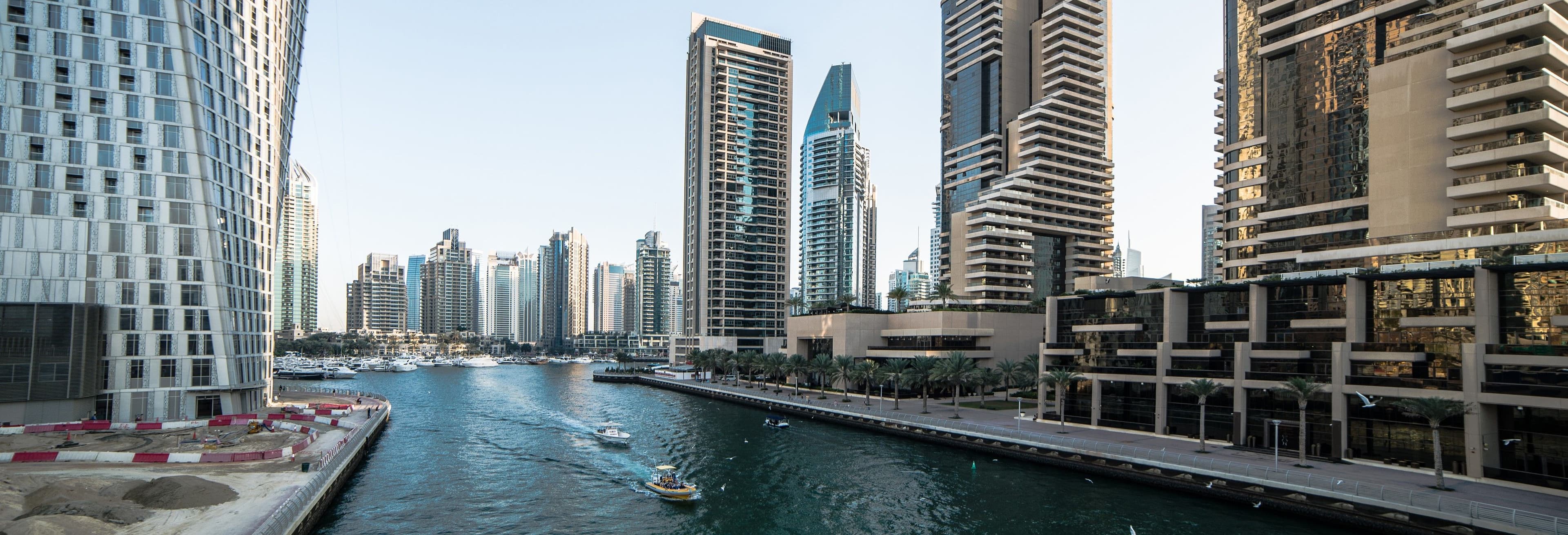
Dubai property investment can include ready homes, off-plan projects, apartments, villas and townhouses in designated ownership areas. A strong investment decision should be based on the property's total purchase cost, expected rental income, ongoing expenses, location, developer or building quality and your planned holding period. Instead of relying on a citywide ROI percentage, calculate the potential return for the specific property you are considering. Foreign buyers can own property in designated freehold areas, while financing, payment-plan and residency eligibility depend on the buyer and the individual property.
- 01
Who Can Own Property in Dubai?
Foreign buyers can own property in Dubai in designated freehold areas, including many of the city's established residential and investment communities. Depending on the location and property, ownership may be freehold or another legally recognised form such as long-term leasehold or usufruct. Before reserving a property, confirm the ownership status, registered project details and title information through the relevant Dubai Land Department records. If you need the full buying process, see our legal procedure for buying property in Dubai.
- 02
Freehold vs Leasehold: What Do You Own?
Freehold ownership gives the buyer ownership of the property and the associated interest in the land, subject to the project's legal structure. Leasehold or usufruct arrangements give the buyer rights to use the property for a defined period rather than permanent ownership of the land. For long-term investors, the distinction affects resale, inheritance, financing and exit planning. Always confirm the tenure shown on the official property documents instead of relying only on marketing material.
- 03
Ready vs Off-Plan Property
Ready property can offer immediate possession and, where the unit is rentable, the possibility of generating income sooner. Off-plan property is purchased before completion and usually follows a developer payment schedule, which may reduce the amount of capital required at the beginning. The trade-off is that the buyer accepts construction, completion and market risks until handover. Neither option is automatically the better investment. Compare your budget, timeline, cash-flow needs and risk tolerance. For the detailed buying process, use our off-plan property buying guide.
- 04
Understand the Full Cost of Buying
The advertised property price is not the complete investment cost. Buyers should also budget for applicable Dubai Land Department registration charges, trustee or registration-service fees, any agreed brokerage fee and, when financing is used, valuation, mortgage-registration and lender-related costs. Off-plan purchases may also have project-specific registration or administrative charges. Before comparing two properties, calculate the total amount required to acquire each one, not only the booking amount or monthly instalment. Current government charges should always be checked against the latest Dubai Land Department schedule.
- 05
Budget for Ongoing Ownership Costs
An investment property continues to generate expenses after purchase. These may include service charges, maintenance, repairs, property management, insurance where applicable and periods when the property is vacant. Service charges can vary significantly between buildings and communities, so they should be checked before estimating a property's net return. Dubai Land Department's service-charge resources and the building's current records can help buyers understand these recurring costs before completing a purchase.
- 06
How to Calculate Property ROI
Do not judge a Dubai property investment only by a headline yield. Start with the property's actual numbers. Gross rental yield compares annual rent with the purchase price: annual rent ÷ purchase price × 100. Net return goes further by considering the costs that reduce the investor's real income, such as service charges, maintenance, management expenses, financing costs and vacancy. For example, two apartments producing similar annual rent can deliver very different net returns if one has substantially higher service charges. The purpose of an ROI calculation is therefore to compare specific properties using consistent assumptions, not to assume that every Dubai property produces the same return. For a deeper worked example, see our guide to real net ROI on Dubai apartments.
- 07
Mortgage or Developer Payment Plan?
A mortgage is financing provided by a bank and is subject to the bank's affordability, credit and loan-to-value requirements. A developer payment plan is attached to a specific project and follows the instalment structure set by that developer. Off-plan buyers may prefer staged payments, while buyers purchasing ready property often consider mortgage financing. Compare the total amount payable, upfront cash requirement, repayment timing and handover obligations rather than focusing only on the monthly figure. For more detail, read our off-plan payment plans guide.
- 08
Do Your Due Diligence Before Reserving
Before paying a reservation amount, verify the property or project rather than relying only on a brochure or sales presentation. Check the developer, project registration, ownership status, payment schedule, expected completion information, service charges where available and the terms governing resale or transfer. For a ready property, review the title deed, unit condition, tenancy status and building costs. For off-plan property, confirm that the project and payments follow the appropriate Dubai registration and escrow framework. Good due diligence protects the investor from buying the right story but the wrong asset.
- 09
Property Investment and Dubai Residency
Property ownership can support certain UAE residency routes when the investor and property meet the current eligibility requirements. Dubai also provides a long-term property-investor Golden Visa route for qualifying real estate investment, subject to the rules in force at the time of application. Buying any property does not automatically guarantee residency. If residency is part of your investment strategy, verify the current property-value, ownership and documentation requirements through Dubai Land Department or the relevant immigration authority before purchasing.
- 10
Think About Risk, Resale and Exit
A property can perform well as a rental investment but still be difficult to exit at the price or time an investor expects. Consider the supply of similar units, likely buyer demand, building quality, service charges, remaining payment obligations and any developer conditions affecting an off-plan resale. Investors should also avoid depending on short-term price appreciation to justify a purchase. A stronger investment case is one that still makes sense if the property needs to be held longer than originally planned.
- 11
Choose the Property, Not Just the Market
Dubai offers many investment options, but the final decision should be made at property level. Compare the purchase price, location, unit type, expected rent, recurring costs, payment structure and exit potential before deciding. You can review current properties for sale in Dubai, explore off-plan properties, or compare areas using our Dubai homebuyer area guide.
A successful Dubai property investment starts with the numbers behind the individual asset. Compare ownership, total buying cost, ongoing expenses, realistic rental income and exit options before committing. Seven Century can help you review ready and off-plan opportunities based on your budget and investment objectives.
Everything you need to know
Find quick answers to common questions about buying, selling, renting and investing in Dubai real estate.
Yes. Foreign buyers can own property in designated freehold areas of Dubai. The ownership type and exact rights should be confirmed from the property's official Dubai Land Department records before purchase.
There is no single ROI figure that applies to every Dubai property. Calculate the return for the individual property using its purchase price, rental income and ongoing costs such as service charges, maintenance, management expenses, financing and vacancy.
Buyers should budget for applicable DLD registration charges, registration or trustee-related fees, any agreed brokerage cost and financing-related fees where relevant. Investors should also account for recurring costs such as service charges, maintenance and property management.
It depends on the investor's budget and strategy. Ready property can provide immediate use or rental potential, while off-plan property can offer staged payments before completion. Compare the total cost, timeline, risk and expected cash flow rather than treating either option as universally better.
Property investment can qualify an owner for certain UAE residency routes when the current eligibility requirements are met. It is not automatic for every property purchase, so investors should verify the latest criteria with the relevant Dubai authorities before relying on residency as part of the investment decision.
Consult with our area experts for your dream investment!
Let our experts assist you with detailed information.
30+
Experienced Agents30+
Years Experience100%
Satisfied ClientsReady to find your perfect property?
Our experts are here to help you every step of the way.